
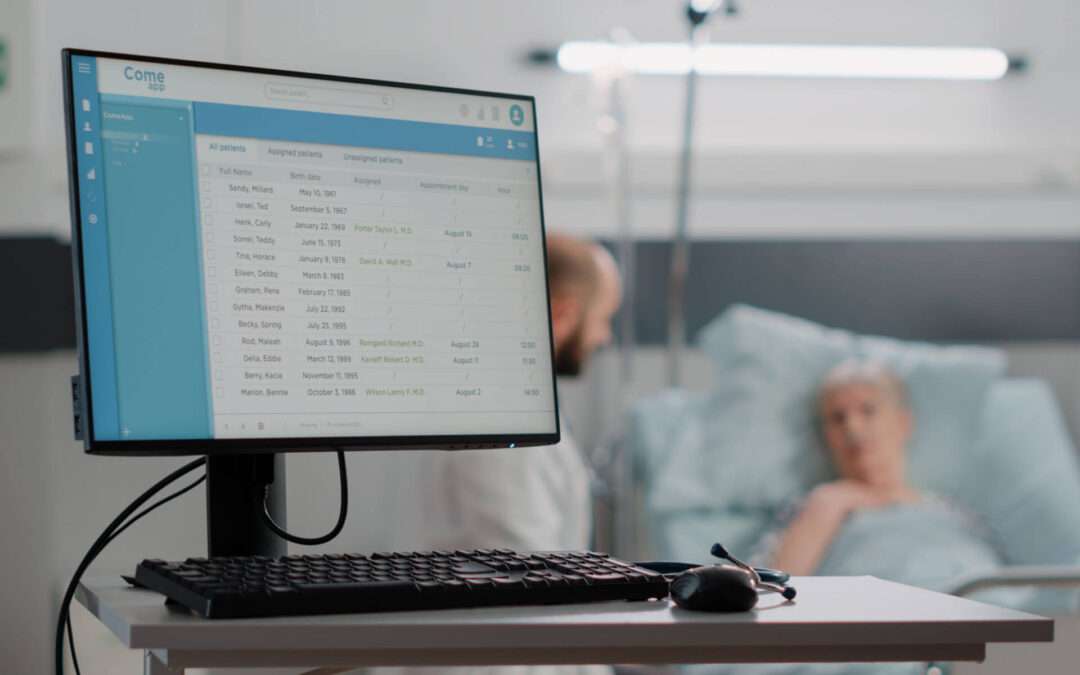
In today’s fast-evolving healthcare environment, the Comprehensive Electronic Patient Record (EPR) is crucial for modern clinical operations and patient care. EPRs surpass traditional paper files by offering a centralised, secure, and accessible digital repository of a patient’s health journey, including medical history, diagnoses, treatment plans, medication lists, test results, and other essential information. This exploration will examine the core functionalities of Comprehensive EPRs, highlight their benefits to healthcare systems, address implementation challenges, suggest strategies for successful deployment, and clarify their role in enhancing patient care quality. Understanding EPR systems is essential for hospital administrators, healthcare providers, and medical technology enthusiasts navigating the digital healthcare landscape, a journey Mediniv is dedicated to supporting with cutting-edge solutions.
What is an Electronic Patient Record (EPR)?
An Electronic Patient Record (EPR) is essentially a digital version of a patient’s health information, carefully maintained and managed within a specific healthcare facility. This could be a busy hospital, a specialised clinic, an outpatient centre, or a long-term care facility. While the terms Electronic Health Record (EHR) and Electronic Medical Record (EMR) are often used interchangeably with EPR, it’s important to recognise the subtle differences. An EPR is typically organisation-specific and is designed to centralise and optimise care provided exclusively within that institution. It creates a detailed internal record of the patient’s interactions and treatments within that particular environment.
A comprehensive EPR system goes beyond being just a digital document. It functions as an integrated ecosystem that captures, securely stores, and efficiently retrieves a complete range of patient health data across various departments and clinical touchpoints. This holistic approach ensures that all relevant information is aggregated and readily available, promoting a more coordinated and informed approach to patient care.
Key Data Elements Encompassed Within an Electronic Patient Record (EPR) Include
Medical History
Past illnesses, surgeries, chronic conditions, family medical history, and social history provide a foundational understanding of the patient’s health trajectory.
Clinical Notes
Detailed accounts of patient encounters, observations, progress notes, and care plans are meticulously recorded by doctors, nurses, and other allied health professionals. These digital clinical notes enhance legibility and accessibility.
Medication Records
A complete and up-to-date list of all prescribed, dispensed, and administered medications, including dosages, frequencies, and allergies. This critical feature supports medication reconciliation and reduces errors.
Lab and Imaging Results
Direct electronic integration with laboratory information systems (LIS) and Picture Archiving and Communication Systems (PACS) allows for immediate access to diagnostic results, eliminating delays and improving diagnostic accuracy.
Allergies
Flag patient allergies to medications, foods, and other substances, preventing potentially life-threatening adverse reactions through real-time alerts.
Vital Signs
Regular recordings of temperature, blood pressure, heart rate, respiratory rate, and oxygen saturation, often automatically fed from monitoring devices directly into the EPR.
Treatment Plans
Detailed outlines of intended therapies, procedures, and interventions, regularly updated to reflect the patient’s evolving condition and response to treatment.
Discharge Summaries
Comprehensive documents summarising the patient’s hospital stay, diagnoses, treatments, medications, and follow-up instructions, essential for seamless care transitions.
The true power of an EPR lies in its ability to centralise these diverse data points into a unified, accessible record. This not only streamlines clinical workflows but also forms the bedrock for advanced analytics and informed decision-making within the healthcare institution.
Key Features of Comprehensive Electronic Patient Record (EPR)
The efficacy and transformative potential of Comprehensive Electronic Patient Records (EPRs) are profoundly rooted in their sophisticated array of features. These functionalities are meticulously designed not just to digitise existing paper processes but to fundamentally optimise clinical workflows, bolster data security, and elevate the standard of patient care. Understanding these core capabilities is essential for any healthcare organisation considering or refining its digital health strategy.
Integrated Patient History
Consolidates all patient data across departments into a single, unified system, providing healthcare providers with a holistic patient view for informed, coordinated decisions. Crucial for the continuity of care and effective patient data management.
Real-time Data Access
Enables healthcare providers to access up-to-date patient information instantly, improving response times and facilitating timely interventions in acute care management and efficient clinical workflows.
Customizable Dashboards
Offers customizable dashboards with role-based access, ensuring doctors, nurses, and administrative staff see only relevant information. This enhances efficiency and supports user-friendly interfaces for optimal EPR user experience.
Clinical Decision Support
Integrates Clinical Decision Support Systems (CDSS) that provide alerts, reminders, and diagnostic assistance, reducing medical errors, enhancing patient safety, and promoting evidence-based medicine.
Lab & Imaging Integration
Features seamless integration with laboratory information systems (LIS) and PACS, feeding diagnostic results directly into the patient’s record, streamlining diagnostic workflows and improving accuracy.
Data Security & Compliance
Built with robust security protocols ensuring strict compliance with HIPAA, GDPR, and other local data protection laws. Includes encryption, secure access controls, and regular audits for patient privacy and trust in digital healthcare systems.
Audit Trails
Meticulously records every access, edit, and update to a patient’s record, ensuring accountability, facilitating security monitoring, and maintaining adherence to healthcare data governance.
Remote Access & Cloud Compatibility
Many leading solutions are cloud-based EPRs or offer web-enabled access, allowing authorised users to securely access patient data from any location. This supports telehealth initiatives and improves healthcare accessibility.
Why Electronic Patient Records Are Essential in Modern Healthcare
The transition to Comprehensive Electronic Patient Records (EPRs) represents a fundamental paradigm shift in healthcare delivery. EPRs are now recognised as an indispensable tool for efficiency, safety, and quality in contemporary medical practice, critical for achieving optimal patient outcomes and sustainable healthcare operations.
Improved Patient Care
Doctors gain an immediate, full view of a patient’s entire medical history, which enables more accurate diagnoses and personalised treatment plans. EPRs significantly reduce duplicate testing and medication errors through instant access to results and real-time clinical decision support systems, thereby enhancing patient safety and quality of care.
Efficiency and Productivity
EPRs dramatically reduce reliance on paper charts, saving time on filing and manual retrieval by eliminating paperwork. They also automate administrative tasks, integrating modules for appointment scheduling, patient registration, and billing, which streamlines operational efficiency and reduces administrative burden.
Enhanced Communication
EPRs enable real-time collaboration among all healthcare professionals involved in a patient’s care, allowing them to access and update information instantly, fostering better coordination and interdepartmental collaboration.
Data Analytics for Better Outcomes
The system leverages structured data for healthcare analytics to track treatment effectiveness, identify disease patterns, and support performance improvement initiatives. Furthermore, EPRs support population health management and predictive analytics, enabling proactive care delivery and strategic resource allocation.
Legal and Regulatory Compliance
EPRs are designed to maintain complete and accurate patient records, which is crucial for meeting medical recordkeeping standards and for legal defence. The organised, accessible data within EPRs also simplifies compliance with healthcare regulations by providing readily available information for audits and quality reporting.
Challenges in Implementing Electronic Patient Records (EPR) System
While the benefits of Comprehensive EPRs are undeniable, their implementation is a complex undertaking, fraught with significant challenges that healthcare organisations must meticulously plan for. Overcoming these hurdles is critical for a successful digital transformation and maximising the return on investment in healthcare technology solutions.
High Initial Costs
Requires substantial financial investment in software, hardware, and services, along with ongoing maintenance. This EPR cost management is a major concern.
Resistance to Change
Staff accustomed to paper or legacy systems may resist, necessitating extensive staff training and strong change management strategies for successful user adoption.
Data Migration
Converting vast historical data is time-consuming and error-prone, making data quality assurance during migration paramount.
Cybersecurity Risks
EPR systems are attractive targets for cyberattacks, requiring continuous vigilance, advanced security measures, and strict HIPAA compliance and GDPR adherence for healthcare data security.
Interoperability Issues
Integrating with existing systems and external healthcare information exchange (HIE) can be technically complex due to varying data formats, posing interoperability challenges.
Addressing these challenges requires strategic planning, robust leadership, adequate resource allocation, and a strong focus on change management and user training to ensure a smooth and effective EPR implementation roadmap. This is where partnering with experienced providers like Mediniv can make a crucial difference, offering expertise to navigate these complexities.
Best Practices for Successful Implementation of EPR (Electronic Patient Records)
Implementing a Comprehensive Electronic Patient Record (EPR) system is a monumental undertaking for any healthcare organisation. To maximise success and mitigate challenges, adherence to strategic best practices is paramount. These practices ensure smoother transitions, higher user adoption, and ultimately, a greater return on investment in healthcare IT infrastructure.
Stakeholder Involvement
Involve doctors, nurses, IT teams, administrative staff, and patient representatives from the outset. This ensures a user-centric design and effective change management strategy, securing buy-in and addressing real-world needs.
Training and Support
Provide continuous, role-specific training and establish robust helpdesk support. This commitment to staff readiness is a key EPR success factor, ensuring user proficiency and confidence. Mediniv understands the importance of comprehensive training and offers tailored programs to ensure smooth adoption.
Data Quality Assurance
Implement pre-migration data cleansing and ongoing data analysis and validation. Regular audits are crucial for maintaining high data quality and ensuring clinicians can trust the data for accurate clinical decision support.
Choose Scalable and Customizable Solutions
Select EPR software that is scalable to grow with your facility and offers customizable features with robust APIs for seamless integration. This builds an adaptable healthcare IT infrastructure and provides long-term value. Mediniv specialises in developing and implementing scalable, customizable EPR solutions designed to evolve with your needs.
Compliance-First Approach
Ensure the chosen EPR and all processes are fully compliant with all relevant healthcare regulations (HIPAA, GDPR, etc.). Prioritise robust data security measures. A compliance-first strategy builds patient trust and avoids legal repercussions. Mediniv’s EPR solutions are built with stringent compliance frameworks at their core, ensuring robust data security and regulatory adherence.
Future Trends in Electronic Patient Records
The evolution of Electronic Patient Records is far from complete. Driven by advancements in artificial intelligence, blockchain, IoT, and interconnected digital ecosystems, the future of EPR systems promises even greater capabilities, transforming healthcare delivery into a more predictive, personalised, and proactive endeavour. These emerging trends underscore the continuous innovation within digital healthcare transformation.
AI & Predictive Analytics
AI-driven insights will enable early disease detection, personalise treatment plans, and automate tasks through AI in healthcare, streamlining workflows and enhancing data-driven healthcare.
Blockchain Integration
Blockchain technology offers enhanced data security and integrity through decentralised, tamper-proof ledgers. It can empower patients with greater control over their health data access, fostering patient privacy through decentralised health records.
Mobile-First EPR Access
Optimised apps and web platforms will provide secure real-time data access on the go, supporting mobile healthcare delivery and enhancing clinician efficiency.
IoT and Wearable Integration
Seamless integration with Internet of Things (IoT) and wearable devices will feed real-time health monitoring data directly into EPRs, enabling proactive interventions and remote patient monitoring.
Global Interoperability
The long-term vision includes true global interoperability, where cross-border patient data sharing becomes standard, facilitating seamless care for international patients through harmonised standards and robust security for global health information exchange.
Conclusion
Comprehensive Electronic Patient Records (EPRs) are fundamentally transforming healthcare. By centralising patient data, they enable better decision-making, significantly reduce errors, and ultimately lead to improved patient outcomes. While implementing EPRs presents challenges, the long-term benefits are immense, making them an indispensable tool in modern healthcare. As digital integration becomes increasingly essential, EPRs are vital for achieving smarter, safer, and more effective patient care, fundamentally shaping the future of healthcare. For healthcare organisations looking to navigate this digital transformation effectively and implement robust EPR solutions tailored to their needs, partnering with experts like Mediniv can provide the necessary guidance, technology, and support to ensure success.
FAQs
What Is the Core Difference Between EPR and EHR?
The fundamental distinction lies in scope: an EPR (Electronic Patient Record) is typically confined to a single healthcare organisation and focuses on the care provided within that entity. An EHR (Electronic Health Record), conversely, is designed for sharing patient data across multiple healthcare systems and providers, offering a broader, longitudinal view of a patient’s health journey.
How Secure Is an EPR System With Patient Data?
Reputable EPR systems prioritise robust data security. They employ multi-layered security protocols including advanced encryption, stringent access controls, multi-factor authentication, and comprehensive audit trails. They also comply with strict regulatory frameworks like HIPAA and GDPR, ensuring patient privacy and data protection.
Can Healthcare Providers Access EPRs Remotely?
Yes, many modern EPR systems are designed with cloud-based or web-enabled functionalities, allowing authorised users to securely access patient data from any location with an internet connection. This capability is vital for remote consultations and emergencies.
What is the Typical Timeline for implementing an ERP system?
The implementation time for an EPR system varies significantly based on facility size, data migration needs, and customisation. It can range from a few months for smaller clinics to over a year or even several years for large hospital systems.
What Are the Most Significant Benefits of Adopting EPRs?
The primary benefits include improved patient care, reduced medical errors, streamlined clinical workflows and operational efficiency, enhanced communication among care teams, powerful data analytics for better outcomes, and assured legal and regulatory compliance.
Are EPR Systems Suitable for Smaller Clinics or Practices?
Absolutely. Scalable EPR solutions are available and highly beneficial for clinics of all sizes. Many vendors offer cloud-based or tailored versions that meet the specific needs and budgets of smaller healthcare providers, helping them achieve digital efficiency.